The legacy of Annie’s Annuals and Perennials will continue on! Annie’s Annuals, a beloved horticultural institution, has been long celebrated by enthusiastic gardeners for its rare and heirloom plant offerings. Peaceful Valley Farm & Garden Supply is excited to share that they have acquired the brand of Annie’s Annuals and Perennials, the website and the catalog business to ensure the safekeeping of this horticultural giant and its time-honored legacy!
Happily, a band of longtime and dedicated Annie’s Annuals and Perennials’ team members pooled together their talents and passion to form Curious Flora Nursery, a place where plants, people, and community will continue to thrive in the footprint of the existing nursery at 740 Market Avenue in Richmond California. This treasured space, loved by all who visited, filled with curious plants, beautiful gardens, and exuberant plantspeople will remain a nursery dedicated to offering wild and rare plants, horticultural expertise, and boundless joy.
A Commitment to Quality, Fun, and Customer Loyalty
“Annie’s Annuals has always held a special place in the hearts of gardeners as the vibrant, eclectic home of rare and heirloom plants,” shared Jill Hageman, co-owner of Peaceful Valley Farm & Garden Supply. “For years, it has cultivated a sense of discovery for gardening enthusiasts, offering plants that celebrate California’s rich horticultural heritage. Our vision is to honor that connection by ensuring customers continue to access the unique native, annual, and perennial plants that have made Annie’s an iconic name. We are committed to quality plants, biodiversity, and sustainability.”
Peaceful Valley Farm & Garden Supply, founded in 1976, is recognized as a sustainable and regenerative agriculture pioneer. Customers purchasing through its website, www.GrowOrganic.com, can access hundreds of high-quality seeds, edible plants, and growing supplies. The Annie’s Annuals catalog and website will be maintained separately from GrowOrganic. The Hagemans and the dedicated Curious Flora Nursery team members are united in their commitment to upholding the high standards and customer care that Annie’s Annuals has represented for many years.
Preserving the Spirit of Annie’s Annuals
“Sensational gardens and great nurseries are so much more than the plants that fill them. They evoke stories of people and place told over seasons of growing together. The best gardens and nurseries reflect the joy of discovery, the reward of shared effort, and the wonder of changing times. Annie planted a seed of exuberance in each of us. We’re going to keep that growing.” observed Colleen Wheeler, Curious Flora’s Chief Growing Officer. The team at Curious Flora Nursery will continue to grow the native and far-flung curiosities that have defined Bay Area gardens for decades.
Curious Flora Nursery is set to open at the former Annie’s location at 740 Market Avenue in Richmond on November 2, 2024. The Annie’s Annuals online store will offer plants by mail before the Spring 2025 season, bringing back customer favorites and some exciting new additions.
A New Chapter for Annie’s Annuals
The Hagemans and Curious Flora Nursery employees are committed to a smooth transition that respects the Annie’s Annuals legacy and unique character. Customers can expect continued updates and announcements through the Annie’s Annuals website (www.anniesannuals.com), the Curious Flora Nursery website (www.curiousflora.com), and both companies’ social media channels.
Ahh, the joy of planting fall bulbs! It’s one of the most exciting times for us at The Starter Farm in Santa Ynez, California. We plant thousands of bulbs, tubers and corms each fall and wait with baited breath for the explosion of color that will burst forth, like a floral firework display, in late winter through early spring. Here at the farm, most of our bulbs and corms go into long beds to be cut for our favorite customers, however, we can’t resist tucking a few into our own gardens to enjoy their full spring display. The bulbs on offer, if left to die back naturally, will return year after year to give a lifetime of color that signals the beginning of the spring season. Some of your bulbs will even multiply, offering added delights that can be shared or spread around your garden in years ahead! This is dependent on your soil and climate, so read a head for more details. I am so excited to share with you, Annie’s 2023 collection of fall-planted bulbs that’s full of interesting, hard-to-find, new and classic varieties.
Narcissus
Let’s start with Narcissus! While commonly known as Daffodils, these varieties are not your common supermarket offerings. Narcissus are the workhorse of the spring garden and one of the earliest flowers to emerge from the ground. As an added treat, many Narcissus are fragrant and provide the perfect perfume to cut and bring into your home. Another wonderful quality of Narcissus is deer tend to avoid them. Now let’s talk about these varieties!
Pink Charm is a fantastic early blooming large-cupped white petaled daffodil that has the loveliest pink salmon inner cup that presents a unique color in the narcissus world. Florists go crazy for them!
If you want a similar variety that has even a softer hue, I would suggest British Gamble. This girl is a bit taller with a frilly edge to her darkened cup with a lighter apricot hue inside. For both selections, cooler weather will bring out darker colors.
Barrett Browning is an old timey, small-cupped Narcissus. Large white petals with the most interesting red fringed cup that fades to orange at the center. A bit shorter than other varieties offered here, it is an excellent naturalizer that comes back in force every year and excels in warmer climates. At our farm we have relocated them to our gardens. Stem length is a bit shorter than we like for cut flowers, but those petit stems make her perfect for the front of beds or tucked under and in-between larger plants.
Repleteis a must grow. This double flowered daffodil is like a firework exploding with its ruffled petal display. Huge flowers with creamy white outer petals and an explosion of soft orange to brighter tangelo inner petals emerge on mid-sized stems. Some of our clients were surprised that these were daffodils! Full, luscious, and always in demand, Replete is an unusual type that will bring you much happiness!
And now, some of my surprise favorite Narcissus. I’ll confess, I was a little suspect of these multi-flowering varieties when I first started planting. They looked different, I was not sure how long they would last when cut and they reminded me more of the common paperwhites you see around the winter holidays. Boy was I wrong. These fragrance monsters are stunners and extremely long lasting in the vase. They fill a room with a lovely soft scent that is like fresh linen combined with strategic dabs of your favorite floral perfume. When bunched, these flowers fill a bouquet that is perfect on its own.
Geraniumappears like a soft cloud with perfect small orange cups that look like painted eyes peeping out over the garden. It is like an artist’s rendition of what small daffodils should look like if they wanted a cool contrast between white and lovely orange.
Golden Echo is new to me. A slightly larger flower with one to three flowers. Rumored to be slightly less fragrant, we’ll forgive them that because I love the look of the bright yellow centers fading to a softer cream on the outer petals. I’m thinking this will be an excellent selection to plant in masses.
For years I had a mysterious single bunch of nameless, small-cupped, pure-white narcissus with curious petals growing near the house. I was thrilled to unearth their name, Narcissus‘Thalia’. I am now forever in love. A larger multi-flowered daffodil, the outer petals are unique with their elongated shape, pure white color, and power-packed fragrance. Finding a good pure white narcissus is a challenge but Thalia is a unique variety that will return year after year and multiply fantastically!
Pro Notes for arranging with Daffodils! When cutting single cup varieties, we select stems that have buds which are fully colored, but slightly nodding (aptly called the ‘gooseneck’ stage) for the longest vase life. Multi-stemmed varieties can be picked a bit closer to full bloom as they tend to have a longer vase life. When used as a cut flower, Narcissus can be a beautiful saboteur of her vase companions. Once cut, Daffodils emit a sticky sap that will cause other flowers to wilt when arranged together. You can easily thwart Narcissus’ aims by “bleeding” them out in their own water for a half hour until the sap stops and they can play nicely. You can then arrange them with other spring beauties if you do not recut them.
Ranunculus
Ranunculus are our most anticipated flowers for the season! Ranunculus are often called spring’s peony, with their similarly shallow-cup-shaped flowers that spills forth layers and layers of petals, these blooms beat everyone to the garden and come in a multitude of colors. Ranunculus make excellent cut flowers and should be picked once the buds start to color and are about to explode. Most growers call this the “Marshmallow” stage. This will give you the longest possible vase life and flowers will continue to open after they’re cut. The one exception would be the butterfly varieties. Cut stems when flowers are open.
For gardeners new to the world of fall planted bulbs and corms, Ranunculus are an excellent starting place. They should be shallowly planted at a depth of 1” to 2” in the garden or in containers. Make sure to avoid soils that may sit heavy and wet for long stretches through winter. They will sit dormant through the end of fall and into early winter. You should see green growth pushing in mid to late winter. This can vary depending on growing region and planting times. In zones 9 and 10 bulbs can be left in well drained soils year to year. In colder climates and heavier soils, lift bulbs and overwinter indoors in a cool, dark space with low humidity. If you think your ready to step up your Ranunculus game, I have some grower’s pro tips below.
The LeBelle varieties are the earliest fully petaled bloomers, so they’re a must for extending your season. LaBelle Champagne is amazing for color. It offers a selection of apricots, light rose, muted yellow and the very occasional hot pink. It’s a great mix that provides soft and dreamy colors. The Amandine series is later to bloom and tolerates warmer weather.
Amandine Scarlet is a vibrant replacement for that signature red rose and in some areas will bloom close to Valentine’s Day. It is bold, brassy and a real stand out.
The Tecolote Series is wonderfully unique. With fewer petals, its open face and prominent eye really pop. Tecolote Salmonhas that peachy/salmon color that florists and gardeners alike adore. Like an inviting fairytale bursting with charm. The surprising green center to this flower adds to its whimsy and appeal
Tecolote Caféis an absolute favorite with burnished red and deep terra cotta coloring just dripping with notes and tomes of coffee.
Half Clone selections are their own animal…a strapping and beautiful animal. These Ranunculus are actually created through a process of combining tissue cultivation and seed production (some horticulture that is a bit above my pay grade). What it gives us is selections that consistently produces robust plants with astonishing bloom rates. The size of the flowers is impressive on solid stems prepared to do some heavy lifting.
Half Clone Iceberg will always be my go-to white ranunculus. It is an outstanding plant with the most amazing pillowy white flowers.
Half Clone Marshmallow is almost her twin but in a soft pink with a hint of green at its center.
Half Clone Wedding Pastel was just released this year so I’m as eager to try her in the garden as you are, but from what I’ve seen these soft and glamorous wedding tones coupled with the strength and reliability we have come to rely on from this collection will be a flower to love forever.
Butterfly Ranunculus
Lastly the Butterfly Ranunculus. Oh, the butterflies. Commercial growers for years have had access to these fantastic angels. They are just now being offered to the general public and I personally am excited for you! Unlike traditional ranunculus, Butterfly Ranunculus produce multiple flowers on a single branching stem that dances on the breeze. A couple of stems will give you a full bouquet. They add a lightness and air to our arrangements. Did I mention the colors?
Hades is a brilliant multi-petaled red that just screams red rose love.
Musa a slightly duskier red that fades and softens like a pair of perfectly, well-worn jeans.
Minoan is a single petaled orange that has this great contrasting darker eye that adds depth to the flower.
And now we have Thiva. This girl was just released to our farm this year. I spied her at our client’s store and had to know her name. I don’t know how she manages to be simultaneously muted yet a richly hued mauvy purple. I can’t wait to grow her myself!
Planting Ranunculus corms 1” to 2” deep in well drained soils will do any gardener just fine, but if you’re ready to do it like the pros, here are a few tips from the Starter Farm. Ranunculus benefit from a process call pre-sprouting. It is the act of hydrating corns and tubers in circulating water for about 6 hours before planting. At the farm we tend to go shorten this for the Butterfly series as we want to make sure not to oversoak these larger roots and cause rot. To help us circulate the water, we use a small water pump and some air stones (check out the fish section of your local pet store for everything you need). We add a diluted compost tea as
we believe it enhances this process. A simpler way to do this is to leave them in a bucket under a barely dripping tap to cause movement and provide oxygen to the water. You may find that using the drip method may add more plumping time to your process. You want the corms to double in size but not break apart. Once soaked we take the corms out of the water, allow them to drip dry and immediately plant them in soil that we amend with some good compost. Once the plants are established, we fertilize with a good and balanced organic fertilizer as ranunculus are heavy feeders. It is recommended you do this whole process just before your planting zone’s first expected frost date. Ranunculus require cooler soil for strong root development. This pre-spouting process accomplishes two things. One it gives you an earlier flowering time and two helps ensure that tubers are properly hydrated to give you the most robust possible growth. It is important to maintain consistent soil moisture during the first two weeks after planting while making sure not to overwater which will cause rot.
There is plenty of other growing information online for all of these varieties if you have further questions about spacing and growing conditions. Happy growing and I hope you too share the joy we have with fall planted bulbs!
Mark Donofrio is a dear friend and an experienced flower farmer, growing a truly envy inducing assortment of flowers that he and his customers use to craft into fantastical bouquets. If you find yourself anywhere near Santa Ynez just a short drive from Santa Barbara on the Central Coast of California, pop into the areas many flower shops and locally owned grocery stores to see his fine craftsmanship in full display. Mark helped us to curate our selection of bulbs this year. He entertained and educated us in equal parts as he treated us to tales of growing, and his lists of bulbs that brought him endless delights as well as the occasional duds (we definitely skipped those). His enthusiasm and craft are an inspiration. To see more of his work visit his website www.thestarterfarm.com or pop onto his Instagram @thestarterfarm/
Though Bay Area weather forecasters continue to characterize our prolonged dry spells as a drought, it is best to remember that we live in a Mediterranean climate, one defined by long dry summers. Rainy winters versus dry ones will come and go but as avid gardeners, it makes sense to be looking at plants that will thrive in our gardens with little summer water. Fortunately, there are a great variety of plants that fit the bill, from ground covers, to low perennials and shrubs, as well as plants that are best described as embodying xeriscape qualities. And many of these plants are California natives, plants that have adapted to thrive in our summer dry Mediterranean-like climate.
Many of these plants will be familiar to the enthusiastic gardener. This article looks at the idea of intentionally planting part or all of your garden with our summer dry climate in mind. That is, rather than planting a few of these summer dry plants scattered throughout the garden, here we are looking at creating a whole bed or in some cases, a whole garden, filled with these plants. As there are endless planting schemes, in this article we’ll keep the focus on the many plants that are suitable for a Mediterranean garden.
Shrubs
Here are a few of the many drought tolerant shrubs. There are almost endless ways to group these in the context of a planting scheme and one way is by leaf color. As it happens, a number of our choices offer a wonderfully silvery cast. Leading the way are four lavenders, each with its own character.
Whether it’s the classic English lavender (L. angustifolia ‘Munstead’ or Lavandula angustifolia ‘Royal Velvet’ “Culinary Lavender”), with its grayish-green 2′ high foliage, Spanish lavender, with the wine-colored winged flowers (L. stoechas ‘Lutsko’s Dwarf’ or the vividly silver ‘Silver Anouk’) or the popular L. x intermedia hybrids (‘Grosso’
Two California natives offer their own charms. California sagebrush (Artemisia californica) forms a dense 3-4′ high bush of silvery foliage. Durable and exuding that unique fragrance, it’s perfect for a dry garden bed.
By contrast, A. californica ‘Canyon Grey‘ stays lower, topping out at one foot tall but spreading to four feet wide. Its feathery foliage is a little greener but is equally aromatic. This variety makes a perfect high ground cover for a hillside or for covering a problem area.
Dwarf Coyotebush (Baccharis pilularis ‘Pigeon Point’), found growing throughout the dry chapparal slopes of northern California, forms a low dense mound 6-8’ wide and 1-3’ tall. Ideal for slope stabilization, it accepts many kinds of soils from clay to sand and watering regimes from moderate to none. It is the perfect choice for a slope that doesn’t receive much care.
California lilacs
Dry garden shrubs need not be uninviting. California lilac (Ceanothus) offers many species, each with dazzling purple or blue flowers. Of the 5 varieties we carry, 3 are particularly showy. ‘Julia Phelps’ gives other varieties a run for their money with a cloud of the richest indigo-purple blooms in spring. Gorgeous! To 6-8’ H&W, it is also fragrant in and out of bloom
Meanwhile, Ceanothus thyrsiflorus ‘Skylark’ has a more compact 4’ x 4’ habit, making it a good choice for small gardens and large decorative planters. Come summer, its small, evergreen foliage is practically smothered with round clusters of captivating violet flowers. Lightly fragrant, they are loved by bees and butterflies.
And for a taller form, the ever-so-popular ‘Ray Hartman‘ is a long blooming 8-10′ tall variety. It is just amazingly floriferous! California lilac varieties are one of best plants for attracting pollinators and songbirds to your garden, they are deer resistant and they can prosper with very little summer water.
More Splendid Shrubs
Speaking of natives, do you know about our wonderful native Verbena (V. lilacina ‘De la Mina’)? Exploding into a cloud of rich, lavender-blue flower clusters in spring, this 3’x3′ ‘plant & forget’ native blooms nearly year-round. Versatile for placement in both cottage and dry gardens, it also dramatizes a decorative container. Butterflies and bees adore the lightly fragrant flowers and it thrives in a range of soils, from sandy to clay.
And though it’s not a native, the Bay Friendly aromatic shrub Rosemary (R. officinalis) offers all the advantages of a native (adapts well to our summer dry environment and attracts local pollinators). Annie’s sells 3 varieties, each with its own character. ‘Barbeque’ is a full-sized shrub (6′) with stiff stems that can be used for BBQ skewers. It has wonderfully fragrant foliage, topped with dancing flames of pale violet flowers.
‘Taylor’s Blue‘ meanwhile forms a more compact 2’x3’ shrub, with slightly arching branches and glossy green, irresistibly aromatic leaves. Long-lasting, lovely pale lilac flowers open in spring. And there is a low growing rosemary, perfect for landscaping. ‘Huntington Carpet’ is the perfect evergreen “spiller” plant for tough conditions and looks dramatic draping over a rock wall, This rosemary is crazy-tough, even in windy, coastal conditions, and is smothered in deep purple blooms winter through spring. Rosemary plants are among the hardiest plants you will ever grow, thrive under a wide variety of conditions and their flowers are absolute bee magnets!
Bush marigold (Tagetes lemmonii) Many a gardener is familiar with this easy-to-grow, bushy marigold. Smothered in cheerful 2” daisy-like yellow flowers nearly year-round, it also features finely dissected leaves renowned for their citrusy scent. Tolerates clay and poor soils. Deer resistant and drought tolerant, it is a valuable food source for hungry butterflies and bees during winter’s scarcity.Sages. Though there isn’t space here, Annie’s sells a great many Salvias, including native selections such asS. apiana,S. ‘Bee’s Bliss’, S. clevelandii,S. ‘Pozo Blue’, S. somalensis and S. spathacea.
Low Growers for Summer Dry Gardens
Almost every garden has need of one or more low growing perennials, be that to cover an open area, for cascading over a low border or even to cover a problem area. Fortunately there are a great many utilitarian plants that offer their own beauty.
California Buckwheats
These versatile natives (Eriogonum species) are one of the very best resources for attracting pollinators to your garden. Flowers provide nectar for bees and butterflies especially and the seeds are harvested by a variety of songbirds. Each one is drought tolerant and can handle poor soils.
Start with everyone’s favorite – Red Buckwheat (E. grande rubescens). It produces an abundance of grayish-green leaves, silver underneath, then come summer, tall stems of little rosy-pink flowers. Blooming all summer and well into the fall, it immediately attracts bees and butterflies to its nectar-rich flowers. Leave the browning flowers on the plant and soon songbirds will come to harvest the developing seed.
Sulphur Buckwheat (E. umbellatum) exhibits all the virtues of red buckwheat but has fuzzy, bright yellow flowers. The spoon shaped, silvery-green leaves last year round and form a neat, compact mound 4-8” tall. Meanwhile, Seaside Buckwheat (E. latifolium) puts on a dazzling flower exhibition from spring through fall, the silvery-pink flowers seeming like something out of a Monet painting. Make sure to give these buckwheats excellent drainage and a touch of summer water and they will put on a dazzling summer and fall exhibition.
Sticky Monkey Flower
No question, there is a big fan club for this California native (Mimulus species). In fact, one could make a case that the drought tolerant group of Mimulus selections are the perfect plant. Long blooming, beloved by pollinators, very drought tolerant and able to prosper in contrary conditions, well, what else could you ask for? Start with the classic form (M. aurantiacus ‘Pt. Molate’).
It produces an abundance of creamy orange flowers on plants that are 12-24” tall and a bit wider. This native’s common name derives from its sticky stems, a quick way to tell if you have one of the drought tolerant varieties.
Or how about the fabulous new M. ‘Changeling’? This aurantiacus cultivar has rosy-red throats and yellow edges. Each flower seems to have its own color combo! And we are proud to offer several varieties in the Jelly Bean mimulus series. JB ‘Betabel’ is a vivid dark red and blooms all summer & fall, while the popular JB ‘Fiesta Marigold’ offers striking red flowers bordered in yellow. We’ve had many a visitor to our nursery who exclaims “Wow, that’s a Mimulus?!” Monkey Flowers are proof that you don’t need to be lacking in luster if you’rea native dry garden plant.
That sentiment is echoed by California fuchsia (Zauschneria). Incredibly drought tolerant and a prolific bloomer, this cascading ground cover is the ultimate ‘spilling’ plant.
Its silvery foliage and coral red flowers (Z. californica), plus its dense habit and durability, make it ideal for rock gardens, dry garden beds, even problem areas. The same is true for Z. canum ‘Sierra Salmon’, with its pretty reddish-salmon tubular flowers. Both California Fuchsias are hummingbird magnets, making this evergreen native one of the very best plants for attracting our winged friends to your garden.
Lastly, there are two other low growing plants that fit in nicely with a summer dry garden scheme. Sun Rose (Helianthemum nummularium) is one of those ground covers that deserves to be in everyone’s garden. Very low, dense foliage – from grayish-green right up to shiny green – forms a dense mat and then with ‘Henfield Brilliant’, vivid 1/2” orange flowers appear in summer. Or go pink with ‘Belgravia Rose’ and its soft pink flowers. Both varieties are very drought tolerant once established.
Coyote Mint may seem like an odd name but California native Monardella villosa ‘Russian River’ will make you a fan in short order. A bit taller than most ground covers (12-18”), it produces small grayish-green leaves and come summer, scads of lovely purple globe flowers. Bees and butterflies adore the flowers and you will love the aromatic leaves. Very drought tolerant once established, this is one of the great pollinator plants to add to your summer dry garden.
Xeriscape Exceptionals
Xeriscape can be defined as ‘needing little or no water’ and that is true for this collection of outstanding summer dry denizens. Agaves, aloes and yuccas have long been featured in some of the more spectacular ‘dry’ gardens, where their unique forms and subtle colors add an invigorating element to many a planting bed. They are each highly adaptable to dry gardens, many being endemic to deserts or arid landscapes. And Annie’s carries a number of these wonderful plants.
Agaves
Agaves are architectural plants, displaying rigid forms that have a spare beauty, and nowhere is that more evident than with the elegant A. ‘Blue Glow’. This 2’x3′ hybrid
agave creates a beautifully symmetrical solitary rosette.
Chalky blue in color and edged in red and yellow, it stands out in any design. Multiple plantings can create an intriguing atmosphere. To help it thrive, give it a little water during hot & dry summers. Though it is slow growing, it eventually makes offsets. Hardy to 20-25° F.
For a more dramatic display, consider adding Whale Tongue agave (A. ovatifolia) to your garden. It forms a rounded rosette of short (8-12”) wide leaves that are distinctively cupped. Mature plants can reach 2-5’ tall and 3-6’ wide over an 8-10 year period. Each shimmering, powdery-turquoise leaf has tiny rigid teeth ringing its perimeter.
Though it is slow to bloom, that 10-14’ tall spike sports eye-catching chartreuse flowers. Hailing from NE Mexico, it’s one of our most cold-hardy Agaves, hardy down to 5 degrees F.Speaking of showy flowers, the Cape Aloe (A. ferox) sports spikes of vivid orange flowers much beloved by hummingbirds. These 2-4′ tall spikes, up to 5-8 at a time!, appear in winter and spring. Cape aloe also features dense rosettes of bluish, lance-shaped leaves, up to 3’ long with a spiny surface and reddish-brown, toothed edges. Especially adaptable to rock & dry gardens or sloping hillsides, it also enlivens large decorative containers. And check our Annie’s website for the availability of many other wonderful aloes.
Yummy Yuccas
For a spectacular focal point, look no further than Yucca rostrata ‘Sapphire Skies.’ Extraordinary beauty and bold architectural form make this winter hardy selection a fantastic choice for a dry garden. It begins by forming a 3’ x 3’ rounded dome of slender, flexible, jade-green leaves, perfect as a stunning structural accent. In year four, it develops its signature thick-textured trunk (to 15” diameter), topped by a 3-4’ spherical head of the loveliest powder-blue foliage. At maturity, huge candelabras of creamy-white flowers are displayed above the foliage. Hardy to -10 degrees F.
By contrast, Yucca filamentosa ‘Color Guard’ offers up bright green leaves, enlivened by a vivid yellow central stripe that turns pink in cold weather! Each rosette produces a single flower spike in late spring-summer, reaching up to 6’ high and dripping with pendulous iridescent-white blooms. A smaller specimen, ‘Color Guard’ forms a 2-3’ high and 1-2’ wide rosette – the perfect size for any garden!
Care
Many of us have drip irrigation in our gardens and this is an excellent system for most plants. Summer Dry plants, once established, won’t need this regular water and in fact are better off not connected to any drip irrigation at all. Occasional deep watering will encourage strong and deep roots, whereas a small amount of regular water from drip irrigation will create an unwanted shallow root system. Every plant mentioned above has the ability to thrive with very little summer water. As there is great variation in the amount of water needed, please check your gardening source for that plant’s particular needs. Most of these plants require fast draining soil and can do nicely with sandy or rocky soils. If being planted in the ground, make sure to amend the soil liberally with sand, pumice or an extremely fast draining soil mix. Give them a bit of regular water while they are establishing, after which, most will need little or no summer water. Fall is generally the best time to plant.
Availability
Just so everyone knows, some of the Annie’s Annuals plants mentioned here might not be available on the week that you’re reading this blog article. Some of the plant varieties discussed are only available in our retail nursery in Richmond CA. This is generally due to us only being able to grow small crops or the fact that the particular plant does not ship well. A quick look at that plant’s page will let you know if it’s available. If not, just click the Add to Wishlist button and we’ll notify you when that plant is ready to take home
As spring approaches summer, many a gardener begins thinking about summer blooming plants like flowering maples (Abutilon), Yarrows (Achillea), Snapdragons (Antirrhinum), Carnations (Dianthus) and Dahlias. This is however a great time to plant summer-blooming vines too. Vines, as a group, are generally one of the easiest plants to grow.
They are incredibly versatile, with their ability to climb or spread along a variety of surfaces (arbors, trellises, fences), and they produce an abundance of flowers, everything from the small, pure white and sweetly fragrant flowers of Sweet Autumn Clematis (C. paniculata) to the colorful and exotic Sea Anemone Passion Flower (Passiflora actinia).
There literally is a vine for every purpose (for showy effect, to cover a problem area, to attract pollinators, even to produce edible fruit) plus a dazzling range of colors for the flowers. Annie’s sells a great variety of vines, including several that can be kept to a more modest spread (Asarina, Mexican Love Vine (Mina lobata) and Moonflower morning glory (Ipomoea alba ‘Moonflower’) to name a few.
Showy Vines
While most ornamental vines have attractive flowers, I have reserved a few of today’s selections for the sections on Vines for Problem Areas and Vines for Smaller Spaces.
Clematis.
Clematis flowers are among the showiest – and perhaps surprisingly to some the most diverse in color and form – of all the ornamental vines. In hot climates, they want relief from midday sun while in more temperate regions, such as here in the Bay Area, they want a good amount of sun. Apart from the differences in their flowers, clematis species or varieties divide themselves into being deciduous (most of them) or evergreen.
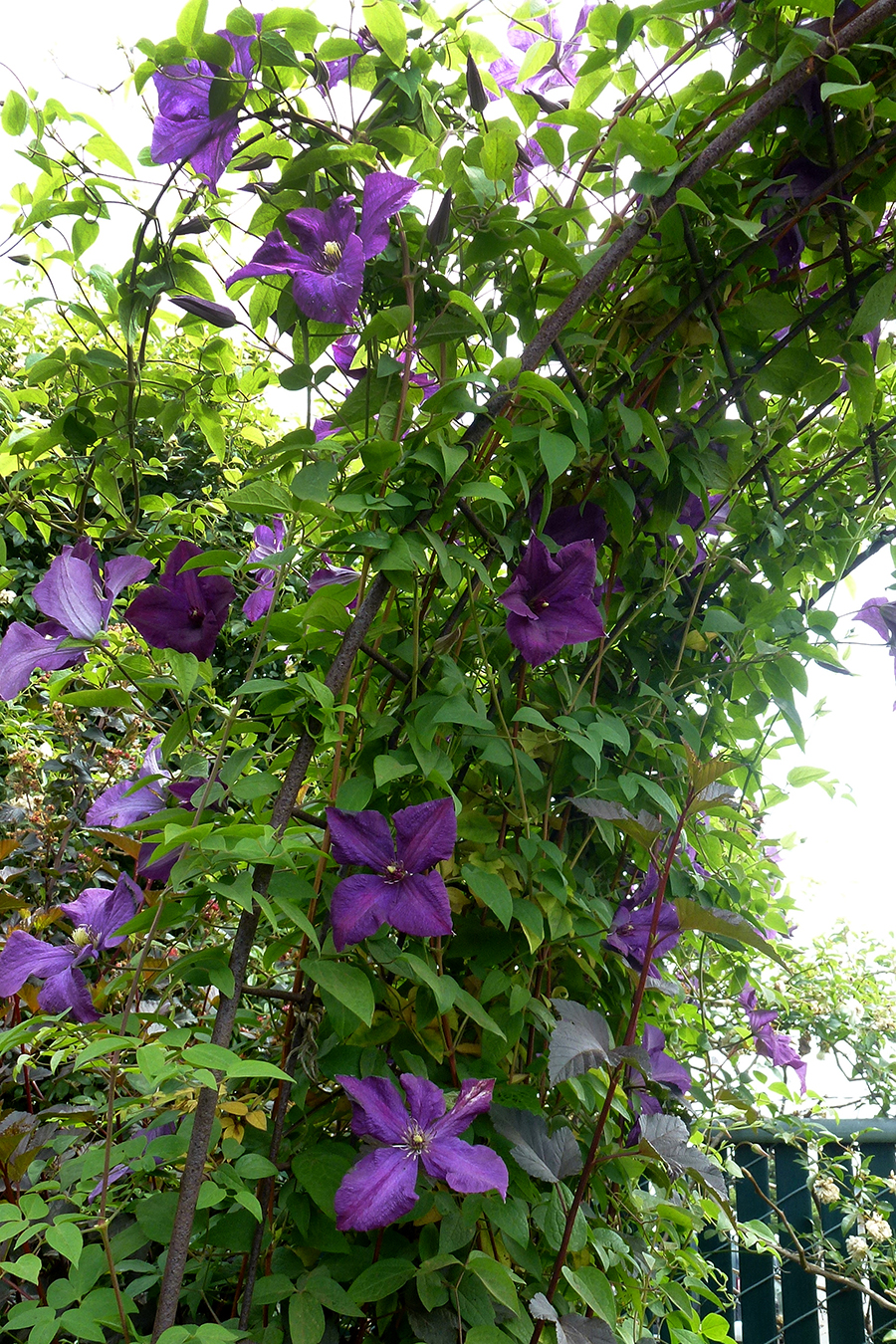
Four of the showiest large-flowering varieties offered at Annie’s are the burgundy ‘Etoile Violette’, the lavender ‘H.F. Young’, the blood red ‘Madame Julia Correvon‘ and the deep purple ‘Polish Spirit.’ These outstanding performers have been in the nursery trade for many years, proving their durability, disease resistance and versatility. ‘Etoile Violette’ features large, splayed 3” long petals of vivid burgundy, offset with mesmerizing cream-colored stamens. It blooms mid-summer, with a second entrancing performance in fall.
‘HF Young‘ has one of the largest flowers in the clematis kingdom, each rich lavender bloom an eye-popping 7” in diameter! A prolific bloomer starting in mid-summer it, like many clematis, attracts a variety of butterflies and hummingbirds to its flowers.
Where this beauty offers a pastel palette, ‘Madame Correvon’ displays the richest wine-red blooms. A bit smaller and with just 4 petals, it nonetheless is the ultimate focal point in almost any garden. This deciduous, group 3 variety blooms on new growth, so prune to about 1’ tall in early spring for an even more impressive display the following year!
Clematis ‘Polish Spirit’ might be considered a sister to ‘Madame Correvon’, given its saturated purple flowers displayed on 4” petals, and it being a group 3 selection, so choosing one or the other may simply be – do you like dark red or vivid purple better?
Two other clematis are worth investigating. Sweet Autumn clematis (C. paniculata) is smothered in small white fragrant flowers in the late summer while the intriguing C. ‘Rooguchi’, the easiest to grow and longest blooming clematis out there, is cherished for its totally cute 2” flaring purple bells. Borne in crazy profusion from late spring to early fall, these white-throated, stiff, nodding flowers arch out on showy black stems.
You may think you know Wisteria, most of which hail from China or Japan, but let me introduce you to an American beauty – W. ‘Amethyst Falls.’ A fantastic small-scale variety, this American wisteria tops out at only 15-20’ and 6’ across (if left unpruned). Ours is growing in a barrel and kept to 6’ tall, indicating that this showy bloomer is perfect as a stunning patio plant. Blooming bountifully in spring and intermittently in summer, its beautiful, richly colored blue-purple pinecone shaped 4-6” dense pendulous clusters are lightly fragrant. It likes sun so make sure to give it lots of light.
Want something showy and unique in a hurry? Cape Sweet Pea(Dipogon lignosus) is one of the fastest growing vines in the trade. This South African legume will reach 10’ in 2 to 3 months and bloom spring through fall!
Held on arching stems, the grape soda-scented pink & red flower clusters really pop against lush green, heart-shaped leaves. Despite its romantic appearance, it is perfect for covering a fence or smothering an arbor. Rich soil and full sun yields the best show but part sun will do. It may go deciduous during heavy frosts. Self-sows!
If pink and more pink is your thing, Pandorea jasminoides ‘Pink Supreme’ might be your cup of tea. Fast growing, green and glossy foliage provides the perfect backdrop for a multitude of lovely, 2” flared trumpet, soft pink blooms, each highlighted with a bright cherry throat. Smelling lightly of jasmine, this wonderful 10-15′ tall selection blooms continuously late spring to fall, peaking in mid-summer. Attracts hummers, too! Plant this evergreen vine in rich garden soil and sun/light shade and watch it easily cover a fence in a few seasons.
Vines for Screening or Problem Areas
One of the most popular uses for a vine is to provide screening or to cover a problem area. You are looking for a vine that fills in fairly densely and typically one that does so quickly. Annie’s has four lovely vines that are perfect for either use. Most notably are 3 varieties of passion vine (Passiflora species).
P. loefgrenii x caeruleais a mouthful but it produces a thicket of verdant green leaves then come late summer, beautiful purple flowers. This rare vine features reflexed 4” petals, putting the spotlight on the halo of deep purple fringe and the black center. The Gulf Fritillary butterfly thinks they’re pretty fab too, choosing this fast-growing vine as a host plant.
Passiflora ‘Oaklandii’ is another cross that does a great job blanketing a fence or trellis. I grew it in my yard, where it flourished with almost no care. It sports huge coral-red flowers that, en masse, look like brightly colored starfish. This evergreen vine is so dazzling when in bloom, you might in fact want to put it front and center in your garden.
That would be especially true for Sea Anemone Passion Flower (Passiflora actinia). Sporting a halo of psychedelic wavy purple fringes, this frost tender passion flower is sure to elicit cries of “What is that?!” It grows quickly, produces legions of 3” purple flowers and attracts many a butterfly to its flowers. Prefers sun but can handle a bit of shade.
Cup & Saucer Vine (Cobaea scandens) does a similarly fabulous job of blanketing an area in dense foliage. Then, come summer, it produces Alice-in-Wonderland-like flowers – each green flower looking exactly like a cup and saucer.
But wait, for its piece de resistance, those green flowers suddenly turn a yummy purple hue. Magic! Very vigorous and needing very little water once established. Many of you will be familiar with the popular orange Black-Eyed Susan vine (Thunbergia alata) but did you know that Annie’s carries 3 other varieties of this vigorous vine? There’s the lovely oh-so-pink‘Rose Sensation’, the reddish-orange flowering ‘Amber Stripes’ and the evocative ‘White Halo’, with its pure white petals anchored by a bullet black center. All three share the virtues of this vine – fast to establish, early to flower and long blooming and very drought tolerant once established. They prefer sun.
And just for fun, how about turning farmer and growing a grape? Annie’s offers two varieties. Vitis ‘Emeryville Pink’ is an American type grape, first found growing by the Bay in Emeryville. We’ve grown it successfully for years and it has become a beloved seasonal snack for visitors and employees alike! It grows 6-8’ its first year and then takes off in year two, giving you plenty to harvest.
Or if the fruit isn’t as important, how about the blazing red-leaved Vitis californica x vinifera ‘Roger’s Red’? The fruit is a bit seedier but is beloved by local birds and wildlife. Or you can make jam with the fruit. Large heart-shaped leaves are a soft grayish-green in summer but then turn a riotous red in fall, putting on a spectacular show. Both varieties prefer sun and are very drought tolerant once established.
Vines for Smaller Spaces
Sometimes you have an area where a rambunctious vine would simply get too big. Fortunately, there are several attractive vines that don’t get too big.
Begin with the Moonflower morning glory (Ipomoea alba ‘Moonflower’). Enormous (6”) white blooms, deliciously fragrant, open in the evening and close before mid-day. Luxurious heart-shaped leaves densely clothe this vine, which can grow to 12′ but can easily be kept to 6-8′ tall. A wonderful vine to plant near an outdoor patio or near one’s bedroom window, where one can imbibe the early-summer-through-fall blooms.
One of my favorite small vines is the quixotic Exotic Love Vine (Mina lobata). It produces delicate but bushy green leaves and then come summer, slender vines that sprout rows of small tubular flowers. Each inch long flower starts out bright red then, as the flower gets bigger the color ages to orange, yellow and finally white. With a long row of flowers on each blooming vine, one gets treated to every color on this spectrum at the same time! This petite vine is perfect for growing on a deck trellis or up a corner column. It loves the sun.
This beautiful Mexican vine with white-throated, velvety purple trumpets and lush delicate foliage creates a lush 8-10’ high “wall” of trident-shaped emerald green leaves. It’s a long bloomer too, filling the summer and fall skies with masses of the richest 2” flaring purple blooms. Attracts hummers! Best in part shade to morning sun and rich soil. It can be cut back in fall.
A Vine for Every Purpose
Whether you want a vine for beauty, to serve some practical purpose or to attract pollinators in your garden, there is an attractive vine for nearly every situation. The hardest task may be choosing just one!
Availability
Just so everyone knows, some of the Annie’s Annuals plants mentioned here might not be available on the week that you’re reading this blog article. Some of the plant varieties discussed are only available in our retail nursery in Richmond CA. This is generally due to us only being able to grow small crops or the fact that the particular plant does not ship well. A quick look at that plant’s page will let you know if it’s available. If not, just click the Add to Wishlist button and we’ll notify you when that plant is ready to take home.
As conscientious gardeners, many of us have added plants that attract pollinators to our corners of paradise. This includes butterflies of many kinds, including the well-known Monarch, Painted Lady and Anise Swallowtail. But there is even a more surefire way to attract particular butterflies and moths to your garden and that is by planting host plants for these winged pollinators. As we know, when butterflies first lay eggs on the leaves of their preferred host plant, those eggs hatch to become caterpillars, who then have a ready-made supply of nutritious leaves on which to grow and fatten. And surprisingly, these caterpillars can sometimes be as colorful and beautiful as the butterflies they eventually become. Today we take a closer look at this stage of our favorite California native butterfly life cycle.
Monarch
Easily our most famous Bay Area resident butterfly, Monarchs also have one of the most beautiful caterpillars. Large and long, they are immediately recognizable by their yellow, black and white striping. And where do you find them? Why on ‘milkweeds.’ Most famously, they lay their eggs on the ‘Butterfly weed’ (Asclepias species). The various Asclepias species contain a toxin called glycosides and Monarch caterpillars have adapted to be able to eat these toxic leaves. This toxin discourages creatures from making the Monarch caterpillar its lunch. Adult monarchs retain the toxins and if a bird tries eating one it is likely to have an unpleasant reaction, thus learning to avoid this butterfly.
Annie’s carries four native milkweeds – Showy milkweed (Asclepias speciosa and A. speciosa ‘Davis’), as well as the Narrow-Leafed milkweed (A. fascicularis) and the curious Nodding milkweed (A. glaucescens). Easy to grow and vigorous, milkweeds love the sun, good drainage and bloom all summer. This native is also a nectar source for a number of local butterflies
Pipevine Swallowtail
Perhaps the most beautiful butterfly in our region, this butterfly has dusky dark outer portions and iridescent blue inner portions. As its common name suggests, this guy prefers only one plant as its host – the California pipevine (Aristolochia californica) or California Dutchman’s-pipe. Though this native vine isn’t widespread, it is very easily grown in our gardens but does grow quite large and sprawling. This Swallowtail is prolific in laying eggs, which hatch to distinctive, chunky black caterpillars dotted dramatically with orange spots. They protect themselves by sequestering acids from the plants they feed on. The adults will feed on the nectar of a variety of local flowers. California pipevine is also a highly prized decorative vine, with small Dutchman’s pipe flowers that are oh so fun to look at.
Anise Swallowtail.
This beautiful yellow and black butterfly is very common in our area. Its caterpillar form is just as striking, a bright green with distinctive yellow spots framed by black borders. It has several host plants, including our native Cow Parsnip (Heracleum lanatum). You can also have great success, as I have, with the common fennel plant.
And we at Annie’s offer both the cow parsnip and a lovely variety of fennel called ‘Zefa Fino’ in the nursery. . Adult butterflies will seek out a great number of native flowers for food. It is one of the easiest and most reliable butterflies in our area. As to the host plants, they are extremely vigorous and more or less take care of themselves. They each get big, so you will have to ‘hunt’ for the tiny eggs when they appear.
Painted Lady
Painted Lady is one of the most familiar butterflies in our Bay Area gardens. A gorgeous orange, with black and orange banding on its upper wings and rows of small black markings on the lower wings, its caterpillar is no less striking. Completely black, with regularly spaced, narrow bands of yellow, black and white, this caterpillar’s unique appearance includes prickly black, branching spikes growing out of each of its body segments
. The main host plant for this gal is our wonderful California Sagebrush (Artemisia californica). This xeriscape plant needs almost no summer water and offers the most shimmering silvery foliage on 3-4′ H&W bushes. Though the flowers are small and indistinctive, this sagebrush still attracts plenty of ‘Ladies.’
California Tortoiseshell
This lovely smaller-sized butterfly has an appearance similar to the Painted Lady. Its black banding is however only along the upper margins of its wings and it possesses no lower black spots. Its caterpillar has a subtle charm, being a patterned gray, with small yellow blotches and less obvious yellow bristles than those on the Painted Lady.
These beautiful butterflies like to lay their eggs on our local California lilacs (Ceanothus) and Manzanitas (Arctostaphylos). That includes the prolific blooming Ceanothus thyrsiflorus and the taller C. ‘Ray Hartman’, though this butterfly likes all Ceanothus species. And Ceanothus species are one of the great native shrubs to add to your garden. A variety of bees and butterflies feed on the flowers’ nectar and songbirds will feed on the seeds that form in the late fall.
Mormon Metalmark
This beautiful butterfly displays a most intriguing pattern, with a chocolate brown body dramatically dotted with white spots. This area is contrasted by bright orange on the upper wings next to the head. Dramatic is an apt description. The caterpillar is also striking in its own right, displaying a purple body and rows of paired yellow spots around the circumference of its body.
You’ll find this beauty munching on the leaves of our native Seaside buckwheat (Eriogonum latifolium). Many of you know that California buckwheats are one of the great pollinator plants to add to our gardens. Visited it seems by every bee, butterfly, hummer, beneficial fly & wasp, this prolific bloomer also provides copious fall seed for songbirds. Very durable and easy to grow, Seaside buckwheat is the gift that keeps on giving.
Silvery Blue Butterfly
There may be no prettier butterfly in our Bay Area than the quixotic Silver Blue Butterfly. A gorgeous sky blue throughout, with delicate white veining and a dramatic black border, this elusive butterfly can sometimes be a bit hard to find. And given that its caterpillar is a plain green oblong creature, it seems like this butterfly is the proverbial ugly-duckling-into-a-swan in the world of butterflies.
Its favorite host plant is the native Yellow Coastal Bush lupine (Lupinus arboreus). Forget what you know about little hybrid lupines. This vigorous herbaceous lupine gets to a robust 4’x4′ and in late spring is smothered in cheerful yellow flowers displayed on tall spikes. A magnet for bees as well as a number of local butterflies, this native provides lots of leaves for Silvery Blue caterpillars. Just give it sun and good drainage.
Orange Sulphur moth
The Orange Sulphur’s appearance may not be dramatic but its soft colors are no less alluring. It displays pale yellow wings with an orange aura, bordered by a ribbed, soft brown color. Sublime. It too has a green caterpillar that is meant to ‘hide’ against the green background of the lupine leaves it prefers.
That would be the lovely Silver Bush lupine (Lupinus albifrons). It too forms a voluminous bush (42” x 42”) and produces soft green foliage with a shimmering silvery cast. It produces 8-12” high spikes of fragrant purple flowers throughout the late spring and summer that attract a variety of pollinators. Give it sun, good drainage and deadhead the flowers for prolonged blooming.
Variable Checkerspot
You might think of this black-winged native butterfly as the ‘goth’ member of the family. Black-as-night wings are generously dotted with rows of white spots, with just a few orange spots on the top wings for a touch of color. That color scheme is carried over to the caterpillar.
Black, with rows of orange spots, it is an eating machine on its favorite host plant – the Sticky Monkey flower (Mimulus aurantiacus). For those of you that hike our north bay regions, you have no doubt come across patches of this hardy sub-shrub. Both its orange-flowering straight species and its yellow, pink and red hybrids are magnets for a variety of local pollinators, while our goth friend will happily munch down on this drought tolerant perennial.
Planting & Caring for Host Plants
Virtually all of the plants mentioned here are sun-loving (the Cow Parsnip is part shade) so give them lots of light. And generally speaking, they want good drainage. That’s especially important for the Lupines. Within the above group, only the Lupines and the California pipevine are deciduous, though the Cow parsnip and fennel may shed some leaves. Other than providing healthy plants, there are no special care instructions for attracting the butterflies to lay eggs. It is when the caterpillars appear that one needs to pay attention. First off, you don’t want to remove the caterpillars you are hoping to host. And one has to live with the fact that they will be eating a certain amount of the plant’s leaves. When they are fat enough, they will spin a cocoon and gestate until it’s time for the adult butterfly to emerge.
It is worth mentioning that one should not, under any circumstances, use a pesticide, organic or chemical, on your host plants (or any nearby plants). If there are unwanted bugs on your host plant, you can gently pick them off. On this note, Annie’s does not spray its plants with the Bt caterpillar insecticide, meaning it is safe to grow our plants as host plants. However, Annie’s strongly advises that plants you intend to use as host plants, be thoroughly rinsed with water and quarantined for at least one week before setting out into your garden. In addition, they recommend the plant be allowed to grow for at least one year, so that it has time to grow enough leaves to sustain a hungry caterpillar before allowing it to become a host plant. See more details here.
If birds are eating your caterpillars, you might consider putting a fine netting around the plant. Use stakes and make a little house, making sure not to just drape the netting over the plant as the bird beak can squeeze through the net’s grid and grab a juicy caterpillar. The netting will still let light through and let you watch the progress from egg to caterpillar to butterfly.
A little research on the butterfly you hope to attract and lay eggs will let you know the plants they often seek out for nectar. These plants may first attract adult butterflies, who then spot that host plant you’ve provided for them. That in turn may tempt them to lay eggs there. Adding nectar-rich plants may also attract other butterflies to your garden too!
Availability
Just so everyone knows, some of the Annie’s Annuals plants mentioned here might not be available on the week that you’re reading this blog article. Some of the plant varieties discussed are only available in our retail nursery in Richmond CA. This is generally due to us only being able to grow small crops or the fact that the particular plant does not ship well. A quick look at that plant’s page will let you know if it’s available. If not, just click the Add to Wishlist button and we’ll notify you when that plant is ready to take home.
Through the ages, flowers have played a pivotal place in the history of romance. Whether given as an open gift of love, slipped surreptitiously to a lover or simply kept as a cut flower bouquet to keep one’s romance kindled, flowers of all manner have been a potent signal of romance. While many flowers are used in florist’s arrangements, there are three ways that flowers have traditionally invoked an air of romance. Firstly, there are flowers that have traditionally been used to signal one’s affections. That extends far beyond modern day roses and flowers such as gardenias, carnations and mums used in corsages. A little research into the history of flowers leads you to the Language of Flowers. In that ‘language’, certain flowers have a specific meaning. These flowers were often used as a message to be given to a secret love.
Secondly, flowers that give off an intoxicating fragrance have long been used to signal affection. Roses, gardenias, carnations, sweet violets, lilacs and butterfly bush flowers remain popular to this day to stimulate the senses. Lastly, there are flowers that add texture and beauty to any cut flower arrangement and so have been used by florists to beautify a bouquet. Baby’s breath, ornamental grasses and Peruvian lilies are popular choices.
The Romance in Flowers
As Valentine’s Day approaches, Annie’s has a number of flowers sure to invoke an air of romance. Many of our most romantic flowers herald back to England. Annie’s grows a number of these cottage garden gems. Corn Cockle (Agrostemma) is one of the most charming of English flowers. Whether it’s the rosy red ‘Milas’ or the alabaster white ‘Ocean Pearls’, these tall and floriferous flowers are the embodiment of sweet affection. They love the sun and though they are annuals, they are known to self-seed.
Also ‘tall, dark & handsome’ are a wealth of Hollyhocks (Alcea). We love this stately & gorgeous flower at Annie’s and grow a bunch of ’em. Single or double; white, pink, red or black, hollyhocks’ beauty can make one swoon. This cottage garden stalwart is for when you want to go big and brassy in the flower arrangement. They love the sun and the heat.
For an unexpected pleasure, add some Avens (Geum) to your bouquet. A member of the rose family, the brightly colored, long blooming Avens adds a dashing splash of bold color to any arrangement. Whether it’s the ‘Totally Tangerine’ the orange ‘Koi’ or the ‘Blazing Sunset’ red, Avens flowers add a certain pizzazz to any bouquet. They too love the sun.
There’s a reason they named one of our favorite Pincushion flowers ‘Florist’s Pink.’ This ‘pretty-in-pink’ Scabiosa flower just oozes romantic feelings. Rising on tall stems, it’s perfect for a bouquet or for a vase arrangement. In the garden, this sun lover is a magnet for bees and butterflies, making it a valuable addition to any pollinator garden.
No mention of romantic flowers would be complete without three flowers we love here at Annie’s. The curiously named Shirley poppy (Papaver rhoeas ‘Pandora’) has frilly multi-colored purple to red flowers that will make any heart swoon. And though the frilly and papery blooms are short-lived, this beauty is a prolific bloomer, so there’s plenty of flowers to be had. Grow it anywhere in a sun to part sun bed and watch the steady parade of bees that will come a-calling
And you know when a plant has the common name of Cupid’s Dart that it’s a romantic must-have. Early Greeks and Romans used this Mediterranean native to make love potions, leading to its common name. Catananche caerulea possesses exceptionally pretty overlapping rows of bluish-purple petals and is a surprisingly drought tolerant plant. This low grower loves the sun and when cut back in the fall, will return fresh in the spring.
And what is more of a sign of love everlasting than Water Forget-Me-Not (Myosotis palustris)? Featuring flowers blue as a loved one’s eyes, this taller and perennial version of the common bedding Forget-Me-Not is a sure sign of one’s intentions. The taller stems mean you can flowering stems to any bouquet, to bring a bit of the blue sky to any arrangement.
Heavenly Fragrance
Perhaps no sense can spark our imaginations as evocatively as the sense of smell. Flowers possess many scents but sweetly fragrant flowers hold a special place in our hearts. And there are few flowers that evoke warm memories more than Sweet peas (Lathyrus). From subtle to overpowering, sweet pea flowers are surely a piece of floral heaven sent to earth. Even better, their early spring blooming precedes most every other flower. And they are prolific, sporting a nearly endless profusion of flowers. So beautiful and fragrant are sweet peas that you really don’t need to combine them with anything else to have a sensational bouquet. And now (February) is the time to plant them, as they prefer cool sun.
If it’s volume, form AND scent all rolled into one flower that you want, you can’t miss with Butterfly bush (Buddleja). Forming fat, 6-10” long cones, butterfly bush flowers are an eye-popping addition to any vase or bouquet. The cones are made up of hundreds of tiny flowers and come in white, light pink, a rich maroon or glowing purple, giving you just the right color to add to a mixed bouquet. Their profusion of flowers make them a focal point in any sunny bed.
For those seeking a pure white flower and one with a distinctive fragrance, Pale Evening Primrose (Oenothera pallida) offers a large, snow white bloom, one that smells of sweet almonds! This perennial primrose is native to the western United States and can be grown as a sun-loving ground cover.
Sometimes it’s easier to take your sweetheart TO the flowers rather than vice versa. That’s especially true for the gregarious Sweet Autumn clematis (Clematis paniculata). Come fall, it smothers its dense foliage in small, white, star-shaped flowers that smell sweetly of vanilla. Talk about making a great first impression! Easy to grow and just as tough as it is beautiful, it’s a long-lasting vine that you’ll want to make room for. Give it full or part sun and the occasional deep watering and it’ll be as happy as a clam.
That Extra Wow
When you’re making your own Valentine’s bouquet or vase arrangement, you’ll want to add bit of fullness and texture to achieve the right balance. Peruvian lilies (Alstroemeria) are one of the best ways to add instant floral appeal, while adding some fullness. One of the most prolific and long blooming plants you will ever grow, your stand of Peruvian lilies will give you nonstop flowers from spring through late fall. They blend in nicely with just about any arrangement. Linaria ‘Flamenco’ offers both charm and texture and is super easy to grow. It tops wispy foliage with one-of-a-kind, vivid maroon and gold flowers. They add a pop of color and are a great vertical element. They will grow just about anywhere in your garden and you can tuck them into tight spaces. Though they are an annual, they give you plenty of flowers in one season and have been known to reseed.
Finally, many a florist likes to use a texture plant that has ferny foliage and one of the very best is Love-in-a-Mist (Nigella ‘Miss Jekyll‘). You’ll love everything about this plant, from the wispy delicate green foliage to the robins-egg blue flowers and finally the interesting seedpods. And it helps that Love-in-a-Mist self-seeds prolifically! You usually only need plant it once and then you have plenty to pick from in future years. Easy to grow and surprisingly drought tolerant, Love-in-a-Mist is the perfect complement for any bouquet or vase arrangement!
Whether you are fashioning a romantic bouquet for your beau or invoking the beauty of flowers in your kitchen or living room, these and other flowers bring a bit of garden romance into your life.
As summer blooms start to wind down and the days gradually get shorter, many gardeners tend to step back from their gardens. But actually fall is one of the very best times to be active and planting in the garden. Perennials, be they shrubs or smaller plants, need a bit of time to get their roots firmly established before they fashion a new growth spurt. Getting shrubs, other perennials and early blooming CA native annuals started in the fall offers several advantages. Most importantly, the cooler weather and winter rains provide the perfect conditions for them to get established. Not only will that lead to more successful blooming in the spring or summer but it will often mean that they will bloom earlier than if planted in early spring.
Planting shrubs or other larger perennials in the fall also helps you with your garden layout. Once these ‘foundation’ plants are situated, it is easier, come spring, to plant smaller perennials or annuals in coordination with these shrubs. Fall is also an excellent time to add bark mulch to your planting beds, be that to established plots or to newly planted beds. This mulch will limit the growth of weeds, help to retain moisture and for frost tender shrubs, help to insulate the roots. We can roughly divide fall flower planting into 5 categories – shrubs for sun; shrubs for shade; grasses; ground covers and vines. I’ll give examples of each below.
Shrubs for Sun
There are a great many sun-loving shrubs that benefit from being planted in the fall. Buddlejas are one of my favorites. Known as butterfly bushes, they produce 10-14” long cones densely packed with tiny nectar-rich flowers. You can find four fabulous varieties at Annie’s. These include the compact ‘Ellen’s Blue’ and ‘Hot Raspberry’. These 3-4 high and wide shrubs attract an endless parade of bees, butterflies and hummingbirds, with the former displaying purplish-violet flowers and the latter showcasing vivid magenta blooms.
Davidii ‘White Profusion’ is a full-size bush, 6-8′ H & W. The flowers are a pure white, making this plant a perfect addition to a Moon (white) Garden.
Three other shrubs benefit from being planted in the fall. California lilac (Ceanothus) can be a bit slow to establish so starting this California native evergreen in the fall has its benefits. You’ll find nearly a dozen varieties at Annie’s, with flower colors ranging from the palest lavender (‘Gloire de Versailles’) all the way to vivid purples (Ceanothus ‘Julia Phelps’ or ‘Dark Star’). At home in sun or light shade, these Ceanothus are great foundation shrubs.
If pretty foliage is your goal, Chinese Fringe Flower (Loropetalum chinense ‘Plum Delight’) is a great way to add rich burgundy tones to your garden. Reaching 4′ high and spreading to 7′ wide, this durable evergreen produces unique, pink finger-like flowers in the late spring.
If on the other hand it’s flowers, and in particular exceptionally pretty blue flowers, are your thing, Blue Glory Bower (Clerodendrum ugandense) may be just the ticket for adding something unique to your garden. Sporting the palest blue butterfly-shaped flowers, each with a central vivid blue petal, this African native is quick to establish and equally fast to bloom. Easily reaching 7′ tall, with arching branches, it is a standout in any garden.
You can plant it as decorative meadow grass or use it next to a pond, since it likes some moisture. Where this Carex’s color is subtle, Orange New Zealand Sedge displays vivid coppery-orange foliage in the colder winter months. That color is best seen when this 2′ high grass is planted in sun but even in some shade, it is a great way to add contrasting foliage color to the greens and creams around it.
Shrubs for Shade
Two colorful shrubs for shade lead this group. We have available two species of Angel’s Trumpet (Brugmansia) – the slender golden trumpets of B. sanguinea ‘Inca Princess’ and the fatter, more classic bells of the white blooming B. ‘Wedding Bells.’ The latter’s blooms are an amazing 7” in diameter, with glossy yellow ribs. ‘Inca Priness’ loads up with 7” long cheerful golden blooms and when in full bloom, puts on a dazzling show.
Meanwhile, two white-blooming Hydrangeas offer part sun delights. H. arborescens ‘Annabelle’ produces huge heads (8-12” across!) of pure white flowers in spring. 4’x4′ mature plants are so prolific, you barely see the green foliage.
Dwarf Oakleaf Hydrangea (H. quercifolia ‘Pee Wee’) gets to a similar size, with panicles of alabaster white flowers, offset by highly attractive, oak-shaped mint green leaves. Even when not in bloom, this hydrangea is a standout for a shady to part sun location.
Two outstanding shrubs for shade offer enticing scents. Heliotropium arborescens and H. arborescens ‘Alba’ each produce clusters of heady, vanilla-scented flowers, the former with purple and white flowers and the latter with all white flowers. Smaller shrubs, they each top out at 3’x3′.
Meanwhile, Mock Orange (Philadelphus ‘Belle Etoile’) offers clusters of pure white flowers that smell intoxicatingly of ripe oranges!
Grasses
Fall is an excellent time to start ornamental grasses. Pink Muhly grass sounds like an odd common name but Muhlenbergia capillaris is one the showiest grasses you will ever grow.
Its calling card is its vivid pink seedheads, which completely smother the plant in late summer. Forming an upright 3’x3′ mound of narrow, brownish-green leaves before its flowering, this drought tolerant, durable grass is also a valuable source of seed for local songbirds.
Two other Muhlies are worth exploring – the southwest native M. dubia and M. reverchonii ‘Undaunted.’ The latter features reddish-mauve seedheads and is likewise cold hardy, very drought tolerant and long-lived.
And how about growing the state grass of California?! That would be Purple Needlegrass (Stipa pulchra). Widespread, it forms 18” high clumps whose seedheads start out purple then age to a silvery color. Nodding Needle grass (Stipa cernua) is another durable native that reaches 2′ tall and produces unique ‘bending’ seedheads.
For great foliage color, there’s no beating New Zealand Wind Grass (Stipa arundinacea). Much sought after by west coast gardeners for its golden-ginger blades, it reaches 3-4′ in height. It looks fabulous when massed and equally showy when featured in a container. A real statement plant!
Vines
Vines occupy a particular place in a fall planting scheme as many actually bloom in the autumn. That shouldn’t preclude you from planting them now and one of my favorites is Passion Flower vine (Passiflora). Whether it is an edible type (P. edulis “Frederick’) or one of many ornamentals, this vine produces some of the most unique and colorful flowers in the floral kingdom.
While ground covers are often overlooked when it comes to fall planting, they too can benefit from a head start. African daisies (Osteospermum) are a great example, getting a head start on spring blooming when planted in the fall. We have 3 colorful varieties, ‘3D Double Purple’, ‘Compact White’ and ‘Zion Copper Amethyst.’ The 3D Double Purple is noteworthy for its flowers not closing at night, as is the case with most Osteos.
Our California native Blue-eyed grass (Sisyrinchium) particularly benefits from a fall planting, leading to not only an earlier flowering but a more robust one as well. S. hybrid ‘Devon Skies’ not only flaunts the bluest flowers but some of the largest ones in the genus. S. bellum ‘North Coast’ has slightly smaller and more purple blooms while S. californicum offers cheerful yellow flowers.
Lastly, the curiously named Golden Pennywort (Lysimachia nummularia ‘Aurea’) is a fabulous ground cover that can either spread out on level ground or cascade over a low wall. It benefits from a bit of shade and even though it loses a few leaves in winter, it fills out a gloriously gold come spring.
To Conclude
“The beauty of planting shrubs and other perennials in the fall is that you are rewarded with its benefits no matter what climate you live in, which particular plants you add or the plants being of a large size or small. So, time to get out that shovel and get going!”
Availability
Just so everyone knows, some of the Annie’s Annuals plants mentioned here might not be available on the week that you’re reading this blog article. Some of the plant varieties discussed are only available in our retail nursery in Richmond CA. This is generally due to us only being able to grow small crops or the fact that the particular plant does not ship well. A quick look at that plant’s page will let you know if it’s available. If not, just click the Add to Wishlist button and we’ll notify you when that plant is ready to take home.
If you’re a birder and a gardener, you may have thought to yourself ‘Is there a way I can attract more birds to my garden?’ And the short answer is yes. Providing birds what they need – food, shelter and water – is easy, but some thought as to the way you plant your garden will increase both the frequency and variety of avian visitors. You will be attracting three kinds of birds – seed-eating songbirds such as juncos, warblers, wrens, sparrows and chickadees; birds that are primarily after fruit such as cedar waxwings, robins, mockingbirds, Western bluebirds and thrushes and lastly hummingbirds, which are fond of tubular flowers.
For Seed Eaters
Seed eaters harvest this nutritious food in three ways – directly from shrubs and trees, from a variety of grasses and from seed that has fallen on the ground. Two excellent shrubs to plant for seeds are a variety of California lilac (Ceanothus) and Butterfly bush (Buddleja davidii).
Both bloom prolifically, then produce copious amounts of seed that are harvested by a wide variety of songbirds. Buddlejas typically produce their seed in the early fall, while the many varieties of Ceanothus ‘seed up’ in the late fall, providing songbirds with valuable late-in-the-year nutrition. Most Ceanothus can take sun or shade, providing a welcome versatility, while Buddlejas want sun.
Another sturdy shrub beloved by seed eaters are Echiums. Whether it’s the Pride of Madeira (Echium fastuosum) or the ‘Tower of Jewels’ (Echium wildpretti), these profuse bloomers are great sources of seed from late summer through late fall. E. fastuosum forms a 4’x4′ bush, with purple flowers, while E. wildpretti forms a 2’x4′ basal clump, then sends up 4-8′ high towers filled with tiny pink flowers.
Three species of our native Lupine are also recommended for seed-eaters. Yellow Coastal Bush Lupine (L. arboreus) offers 6-8” stands of brilliant yellow flowers on sturdy 4’x4′ bushes in summer, attracting bees and hummers. Very similar, only with lavender fading to pale lilac flowers, Blue Bush Lupine (L. propinquus) offers more subtle flowers on 3’x3′ shrubs. Finally, two forms of the native Arroyo Lupine (L. succulentus) offer color-rich blooms and nutritious seed. Whether it’s the vibrant purple flowers of the straight species or the evocative two tone pink flowers of ‘Rodeo Rose’, this lupine is a must have for the bird garden.
Two ornamental grasses are excellent additions to a bird garden. California Field Sedge (Carex praegracilis) is a handsome 3′ high, clump-forming grass that can handle sun or shade. In the fall, it forms handsome seedheads that certain songbirds will enthusiastically graze. Or add a bit of warm autumn colors with New Zealand Wind Grass (Stipa arundinacea). It’s orangy-bronze blades make for a colorful stand, then come fall and winter it produces nutritious seed.
Hummingbirds
While it is well known that hummingbirds love Salvias and we at Annie’s have many wonderful choices, there are many other flowers that attract our colorful winged friends. Start with the aptly named Hummingbird Mint (Agastache). There are purple-flowering varieties such as ‘Black Adder’, ‘Blue Boa’ and ‘Heronswood Mist’, as well as pink blooming selections such as ‘Sangria’ and ‘Ambrosia.’
All are magnets for both hummers and bees and bloom over a long period in early summer and fall. Easy to grow and adaptable to different soils, they are one of the best ways to add low color to a bird garden.
Two small shrubs top the list for attracting hummers. Cupheas offer the nectar-rich tubular flowers that hummers seek out and Annie’s has four of the small tubular varieties affectionately known as Cigar plants. The aptly named ‘Hummingbird’s Lunch’ leads the way with its reddish-pink blooms, each tipped in burgundy. Forming a compact 2’x3′ shrub, come summer it’s bursting with countless flowers.
Likewise, ‘Blackberry Sparkler’ forms a dense compact shrub, soon filled with whitish flowers with dark purple throats. The inch and a half long ‘cigars’ seem to explode at all angles, putting on quite the show for us humans as well. The Cuphea hybrid ‘Starfire Pink’ makes a bigger bush (3’x3′) but with more petite all pink flowers. And when Cuphea ‘Strybing Sunset’ is back in stock, it features blazing orange tubular flowers, with tiny purple bat’s ears. All are hummingbird magnets.
Verbena lilacina ‘De la Mina’ is a California native that always seems to be in bloom. Quickly forming a 3’x3′ shrub, come spring it bursts into bloom, offering an endless supply of lavender-colored flowers. We love this shrub for its versatility, the fact that it’s a native and just how popular it is with bees, butterflies, hummers and, when seed forms, smaller songbirds.
You wouldn’t think at first that flowering maples (Abutilon) would be a hummingbird plant but in truth, they are one of the best. We see them harvesting nectar all the time from our nursery selections. These include the pure yellow ‘Canary Bird’, the lovely peachy-orange flowering ‘Victor Reiter’, the popular ‘Apricot’ and the heavily veined selection called ‘Redvein Indian Mallow.’ Abutilons are easy to grow – fast, reliable, long blooming and beautiful.
There are a number of vines that attract hummers and one of the best is Passiflora ‘Blue Horizon.’ There are many passion flower vines that will attract hummers but this one is especially vigorous and a real favorite for our hummer friends. A prolific bloomer, with lovely purplish-blue flowers, you can grow it on a fence, over an arbor or even on the side of a house if given support.
Treats for Berry Eaters If you’re lucky, your garden will be visited by a variety of berry-eating songbirds. These include Cedar Waxwings, American robins, Hermit Thrushes, Western bluebirds, Northern Flickers and Mockingbirds. To encourage such visits, consider planting one or more berry-producing shrubs. Elderberry (Sambucus) is a favorite source for dark, late fall berries and our S. nigra ‘Thundercloud’ is an excellent choice for fruit. A fast growing shrub to 6-8′ tall, it also features nearly black foliage and lovely pink flowers. Another excellent choice is Roger’s Red grape (Vitis californica x vinifera ‘Roger’s Red’). Though the fall grapes it produces are less ideal as a table grape, our berry eating birds will gobble them up. It’s an easy vine to grow and offers blazing red foliage in the fall.
Toyon (Heteromeles arbutifolia) is one of the very best plants for attracting songbirds. A California native found throughout Northern California, come winter it produces heavy loads of tasty, bright red berries. Nearly every berry eater loves these fruits and trees produce a seemingly endless supply of them. Evergreen, very drought tolerant once established and easy to grow, this 8-10′ high shrub/tree is a valuable addition to any bird garden.
One dual purpose plant to consider adding to attract birds is one of the many varieties of our California native Flowering Currant (Ribes sanguineum). Whether it’s the popular pink-flowering ‘Claremont’, the slightly redder ‘King Edward VII’ or the soft pink-flowering R. sanguineum glutinosum, these plants’ flowers attract hummers while the berries attract a variety of the afoementioned berry eaters. Ribes like shade and some regular water, so they’re a good choice for a morning sun or bright shade location. Now, you may ask, why can’t I simply put out a tray of berries for these birds? And the answer is, the birds only recognize them as part of their diet if they’re hanging from the bush or tree. Though these selections are not yet in stock, please check back for their availability or add them to your Annie’s Wishlist and then we will email you as soon as they become available.
Final Tips It is worth noting that planting shrubs for various songbirds also provides cover for these and other birds. This is important, as it will allow our avian friends to feel more protected. And I sometimes am asked “Is it bad to hang a hummingbird feeder for hummers (or a seed feeder stocked with seed) when I want my backyard birds to get their nutrition from my plants?” The short answer is no. Birds instinctively seek out nutrition from plants. Having one or more feeders as a supplement can only be a good thing, especially in winter, when fewer plants are in bloom.
Availability
Just so everyone knows, some of the Annie’s Annuals plants mentioned here might not be available on the week that you’re reading this blog article. Some of the plant varieties discussed are only available in our retail nursery in Richmond CA. This is generally due to us only being able to grow small crops or the fact that the particular plant does not ship well. A quick look at that plant’s page will let you know if it’s available. If not, just click the Add to Wishlist button and we’ll notify you when that plant is ready to take home.
The world of succulents is immense and varied but one of the most popular uses for these drought tolerant denizens is as a low ground cover. Whether they are used as a low growing plant to cover a sunny bed, as a sturdy and beautiful plant to spill over a low terraced bed or even to fill in empty spaces between paving stones, there are choices that cover the spectrum of color, texture and form. This blog focuses on three genera for such uses – Sedums, Delospermas and Lampranthus, with one Aeonium added for spice. They are all available right now, giving you a wealth of choices for that bed you have in mind.
Stonecrops (Sedums)
Sedums offer an astonishing variety of form and color for use as a low, spreading succulent. Corsican Stonecrop (S. dasyphyllum major) features tightly packed little nubbins that are typically a bluish-green.
Growing to no more than 2-6” high by up to 15” across, it erupts in a froth of delicate star-shaped white blooms summer through fall. Dark tones appear in winter. Low and dense, it’s perfect for a dry garden or for colonizing areas between pavers.
Gray stonecrop (S. pachyclados). From a distance this versatile sedum resembles masses of tiny green scalloped flowers frosted with blue powder. Likewise low (2-4” tall) and spreading to 12” wide, this attractive sedum looks great scrambling between rocks, cascading from a crack in a wall or filling out a low water mixed container planting. In summer, white star-shaped flowers emerge, their ephemeral form creating a stunning contrast to the bold architectural leaves. Deciduous in colder areas, it returns reinvigorated in the spring.
If dark tones are your thing, the velvety plum-purple foliage of ‘Plum Dazzled’ stonecrop (S. rupestre ‘Plum Dazzled’) is the cat’s meow. The glossy, lotus-like clusters give an eye-popping charm to any sunny bed. Dainty raspberry-pink, star-shaped flowers add to this stonecrop’s allure. Use this dark beauty anywhere you want to add contrast to more subtle surrounding colors. As with nearly all sedums, this stonecrop is stingy on water use. It stays low (2-6” high) but spreads up to 18”.
On the other hand, Tricolor stonecrop (Sedum spurium ‘Tricolor’) offers the loveliest subtle blend of greens and whites on spreading or cascading stems. But wait! In colder months, the small rosettes acquire a hot pink border, pumping up its dramatic appeal. Small, bright-pink flower clusters rise up above the foliage on short stalks for a showy summer display, perfect for attracting bees, butterflies & hummers! Give this and other stonecrops good drainage and a bit of occasional water for best results.
If quixotic charm appeals to you, then Jelly Beans stonecrop (S. rubrotinctum ‘Aurora’) is the perfect choice. They owe this common name to their charming plump and shiny leaves. An almost translucent lime green with rosy-red tips, they form tiny (4-8”) vertical clusters.
They are the perfect choice for covering a good-sized area, allowing the dazzling variation in color to create a pastiche of greens, pinks and reds. Tiny yellow summer flowers attract pollinators. It is easily propagated, readily growing roots from both stem cuttings and leaves.
Coppertone stonecrop (S. nussbaumerianum) offers bold coppery-orange foliage, its stubby fingers a bit larger than the other sedums mentioned here. It gets a bit taller (to 8”) and can spread out to two feet. It is best suited for spilling over a terraced bed or from a hanging basket. Its color is both striking and yet somehow soothing, perfect for adding contrast to nearby greens and grayish-blues. Clusters of lightly fragrant white flowers appear in spring. This hardy long lived perennial is also perfect for adding substance to any location and can be trained to spread out on flat ground or spill over an slightly elevated spot. It stays dense, making its vivid color all the more striking. Easily cut back to the desired size.
Ice Plants (Delospermas & Lampranthus)
There are a number of low growing succulents that have been given the common name ‘Ice plant’ but the two genera that are the most populous are Delosperma and Lampranthus. Hot Pink ice plant (Delosperma ‘Hot Pink Wonder’) features wildly brilliant 1.25” flowers all summer. These rayed flowers display yellow centers surrounded by red petals tipped in magenta.
Easy, evergreen and very drought tolerant, this low grower (3-4” tall) makes the perfect ground cover or filler between paving stones. It gradually spreads to 2′ wide but is not invasive. Can be trimmed to use as edging too.
Love this plant but prefer red to pink? Delosperma ‘Red Mountain Flame’ produces a seemingly endless display of 2” daisy-like, intense scarlet red flowers, each with yellow centers and fringed in yellow. They perch atop a 2” high mat of gray-green, weed-suppressing foliage. Drought tolerant once established and virtually maintenance free, it can take heat, cold, salt spray, and attracts butterflies and bees!
The two Lampranthus selections we sell both offer brilliant color, from the incandescent orange of L. aureus ‘Orange Form’ to the blazing pink of L. species ‘Pink Kaboom.’ This ice plant is a bit taller (to 12”) but also spreads to as much as 2′. The spring into early summer flowers are even larger than those of Delosperma – a full 2.5 inches!
Drought tolerant and deer resistant, these selections are a great way to add eye-popping color to a sunny bed or for use in tumbling over a low rock wall. Its succulent foliage, comprised of slender, deep green ‘fingers’, is tolerant of neglect but you can make it a superstar in well-drained soil and an annual 1” side-dress of compost.
If anything, the ‘Pink Kaboom’ puts on a more dazzling floral show. Our specimen grew quickly into a dense and rounded, 2’x3’ mound, then in spring it exploded into an astounding mass of brightest pink daisies, completely blanketing it. For both selections, a bit of water until they are established is recommended.
One Houseleek
Houseleek may seem an odd name for a succulent but that’s the common name for the wide ranging genus Aeonium. Our Aeonium x ‘Jack Catlin’ (Aeonium tabuliforme x A. arboreum ‘Zwartkop’), offers leaves that are a stunning apple green, ringed with generous amounts of burgundy-red. Extremely vigorous with a higher tolerance for heat and frost than most Aeoniums, its collection of 6-8” wide rosettes eventually spread to form 2′ wide, ground-hugging drifts.
Exceptionally showy planted at the front of a bed, it contrasts beautifully with blue, silver or golden-leaved plants. Mature rosettes produce bee-attracting, conical yellow flower spikes held one foot above the foliage.
Growing Your Spreading Succulents
Most of the above selections are super easy to care for. The main care comes in the beginning. Give them very well-drained soil and a little regular water. They don’t need much nutrition, though that won’t hurt them if they’re planted next to other plants that do require fertile soil. Once established, all of these selections are very drought tolerant and quite forgiving. They do want a good amount of afternoon sun and a bit of occasional trimming so they look their best but that is pretty much it.
Availability
Just so everyone knows, some of the Annie’s Annuals plants mentioned here might not be available on the week that you’re reading this blog article. In the case of veggies in particular, many of the more unusual varieties discussed are only available in our retail nursery in Richmond CA. This is generally due to us only being able to grow small crops or the fact that the particular veggie does not ship well. A quick look at that plant’s page will let you know if it’s available. If not, just click the Add to Wishlist button and we’ll notify you when that plant is ready to take home.
There is no sweeter satisfaction than harvesting vegetables you’ve grown in your own garden. Not only do they often taste better than store bought veggies but you have the satisfaction of having nurtured your own edibles from tiny starts through ‘ready to pick’ maturity. Here at Annie’s, we keep adding new and interesting vegetables for you to try, everything from the latest and greatest basil, to one of the sweetest strawberries to rarities such as Itachi White cucumber, Squash ‘Ronde de Nice’ and Eggplant ‘Ping Tung.’ Many are available to purchase online or wherever our plants are sold, while some of the rarer plants are only found at our Richmond nursery. These are noted below by *** next to their title.
Veggies to Savor
Our group of perennial veggies is highlighted by two multi-use plants – ‘Richmond’s Pride Kale and ‘Glaskin’s Perpetual’ Rhubarb. Our Richmond kale, known as Purple Tree Collard, is a resilient, nutritious and delicious perennial veggie. This purple form was chosen for its sweet & tender leaves as well as its eye-catching color. A very long-lived kale, it grows to an amazing 6-10’ tall and 3’ wide. Its purple tones are enhanced by the cold and the sweetest leaves can be harvested during this time. Easily propagated by cuttings.
Our Glaskin’s rhubarb is tangy and just bursting with flavor. Growing 2-3’ tall, with big tropicalesque leaves, it is an early and heavy producer and is also reputed to be the sweetest variety. Plant it in a permanent bed or large container in full sun and let it grow for a season (clip off flowers if they appear). You can pick some stems the second year but the big harvest is in year 3 and beyond (make sure to leave 4 stems per plant each year).
Want a great pepper for salsa? ‘Early Jalapeno’ has thick, juicy flesh and hot (but not too hot) flavor. It’s great for coastal CA gardens as it sets fruit under cooler conditions than other jalapenos. Vigorous 2’ tall plants produce an abundance of 2-3” long fruits. Pick them when green for a mild taste or let the color mature to red for muy caliente! Give this pepper lots of sun and heat and it will reward you all summer long.
Five veggies that are only available at the nursery in Richmond are tempting enough to have you come on out. That includes the always popular Lemon cucumber (***), as well as the rare but oh so delectable ‘Itachi’ white cucumber (***). The former variety produces lots & lots of always-fun-to-see yellow baseball-sized cukes.
Great for cool or short summer season areas, it doesn’t need a lot of heat to produce. And no need to peel the crisp, sweet, delicately-flavored fruit; just rinse them off, rub off the prickly bits on the skin & slice them up! ‘Itachi’ cuke may look odd, with its 10” long white fruit, but it is great tasting and highly productive. A sweet, crispy, bitter-free cucumber, Itachi holds up well to cooking and makes an excellent addition to any stir-fry. Trellising produces straighter fruit.
‘Ronde de Nice’ summer squash (***) is an attractive French heirloom squash, with its oval shape and speckled light green form. It’s the perfect squash for people who like a tender fruit but one that still has excellent taste. Pick at tennis ball size for steaming and sauteing. Larger squashes are excellent for stuffing.
And if you want to dazzle your dinner guests, show them the fruits from your ‘Ping Tung’ eggplant (***). A wonderful eggplant from Ping Tung, Taiwan, fruits are a vivid purple and up to 18” long but ONLY 2” in diameter! So sweet and tender and superbly delicious, it is one of the best Chinese eggplants on the market.
Lastly, how about a great conversation piece and useful veggie? Egyptian Walking onion (***) creates bulbils that eventually bow the stalk to the ground, whereupon the bulbils root, thus making it seem as if this onion has gone on a ‘walkabout.’ It possesses a strong and spicy flavor and the bulbils can be used just as you would any other onion. Bulbs are usually harvested in late summer, while the greens can be used year round.
Fruits
Annie’s offers a diverse collection of unique fruiting berries and melons. Our favorite strawberry, Fresca ‘Elan’, is a vigorous Dutch hybrid with 2” fruits that are extra sweet due to a high sugar content. They also contain 30-50% more vitamin C than other everbearing strawberries. Fruiting from Spring to Fall with many runners, you can even grow it in a hanging basket.
For something unusual, try the Ground Cherry (***). A delectable berry, the flavor is characteristically sweet/tart and very intense. Eat berries when they are golden and falling off the plant. The fruits can also be frozen for sorbet, cooked into jam or dried. If kept dry and cool and inside the calyx, the berries can be stored for months.
Two unusual melons are standouts. Melon ‘Ha’ogen’ (***) is an intoxicatingly fragrant green-fleshed muskmelon that ripens early in the season. This heirloom variety, also known as “Israel Melon”, was named for the kibbutz it was popularized at. It produces 2-4 lb. honey-flavored green-fleshed fruits on vigorous, productive vines. Well adapted to cooler climates. Meanwhile, Watermelon ‘Sweet Siberian’ (***) is a golden-flesh variety hailing from Russia and brought to Canada by immigrants. Juicy and delicious.
Lastly, we offer for you a local eating grape – Vitis ‘Emeryville Pink.’ Thanks to California Rare Fruit Growers and our own Anni Jensen, we present to you the best grape for coastal gardening. Sweetening right up here in our fog zone, this hardy variety bears an abundance of flavorful mid-size pink fruit with seeds so tiny, there’s no need to spit them out.
Herbs
Basil is so popular, we have to grow lots of varieties at Annie’s. One of our favorites is Basil ‘Emerald Towers.’ This robust Genovese basil is noted for its striking columnar habit, its lush dark green foliage and naturally, its great taste. Plants are taller (2-3′) than wider (1′), perfect for a container or squeezing in beside your tomatoes. Bred for resistance to downy mildew and fusarium. Fast growing and tidy, you’ll be harvesting leaves for yummy caprese salads, flavoring soups and of course for the best pesto ever! Basil ‘Thai Siam Queen’ (***) is the perfect choice for authentic Thai cooking. This basil has the anise undertones necessary to evoke authentic flavor in a variety of Thai dishes. And fresh picking your own leaves is the best way to ensure that the essential oils are at their most potent!
Not into cooking but still love the look of basil? Check out our new ornamental Basil herbalea ‘Wild Magic’ (***). Its purple-black foliage adds wonderful color to the edge of a garden. And its dense 18”x24” habit always seems to be in bloom and buzzing with bees. And unlike many edible basils, it holds its good looks, compact form and multitude of blooms all summer and into the fall.
Shiso ‘Britton’ (***) offers vibrant, yet refreshing. aromatic leaves that reward the senses with a complex fusion of basil, mint and cinnamon, with notes of cumin and cloves. Fast growing, it reaches 30” tall in a hurry. There are many ways to add shiso to your recipe collection. A few ideas include: using it to make delicious Japanese-style Shiso pesto; employing it as a wrap for tuna sandwiches; adding chopped shiso to fresh fruit (esp. plums); adding leaves to green tea for a little extra zest; frying the leaves in a tempura batter or even using shiso oil to drizzle over gazpacho.
Growing Veggies
To paraphrase that famous real estate maxim (location, location, location), when growing veggies it’s all about the soil, soil, soil. Whether in the ground or in a pot, give your veggies loose and good draining soil. Clayish & compacted soil is usually hard on vegetables so avoid that environment. Many veggies are also heavy feeders. They need more nutrients in order to grow and produce crops quickly, so you will likely need to fertilize several times throughout the season. Although most veggies will want sun, check each veggie’s recommended sun and watering conditions. Most veggies will want a bit of regular water to get their roots established. After that, one can usually water more deeply but less often.
Availability
Just so everyone knows, some of the Annie’s Annuals plants mentioned here might not be available on the week that you’re reading this blog article. In the case of veggies in particular, many of the more unusual varieties discussed are only available in our retail nursery in Richmond CA. This is generally due to us only being able to grow small crops or the fact that the particular veggie does not ship well. A quick look at that plant’s page will let you know if it’s available. If not, just click the Add to Wishlist button and we’ll notify you when that plant is ready to take home.


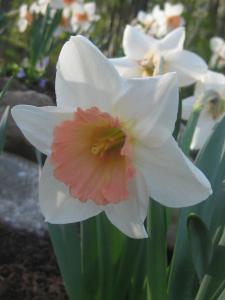

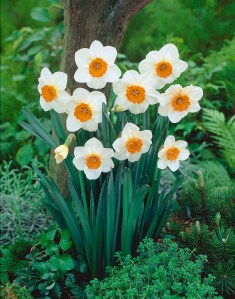


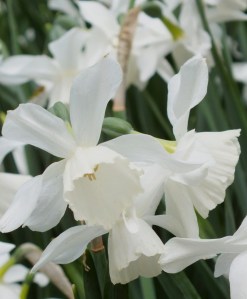


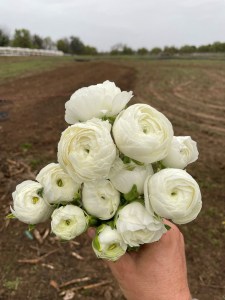

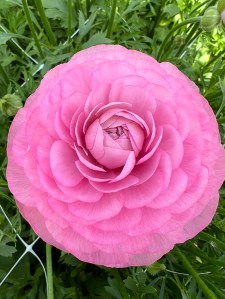

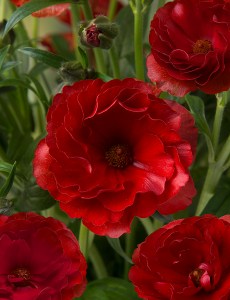


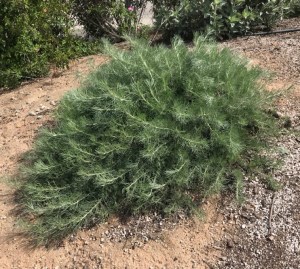


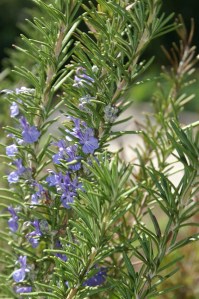


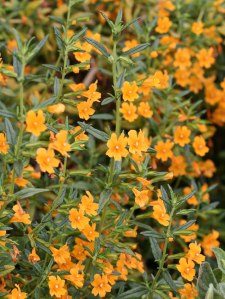

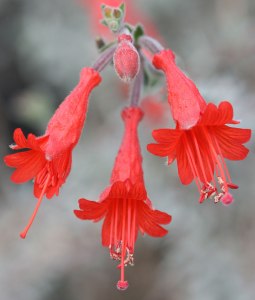
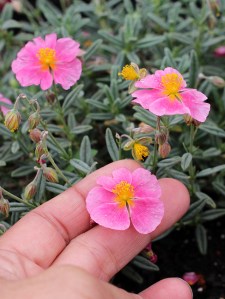
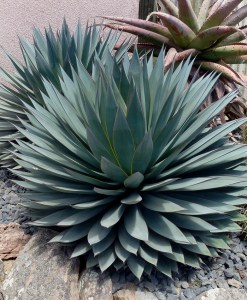
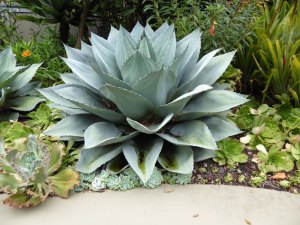
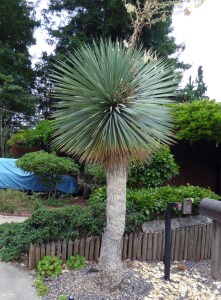


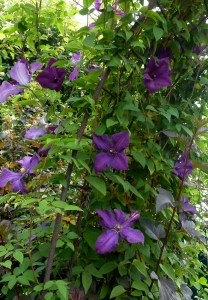

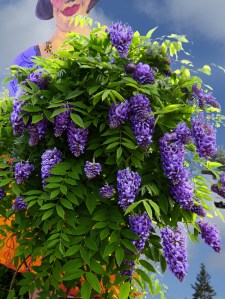
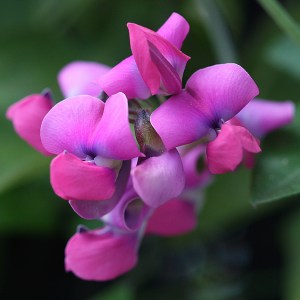


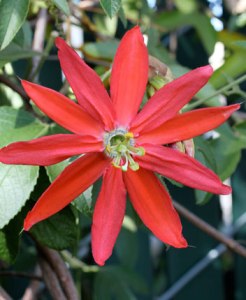

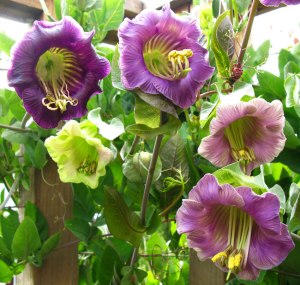


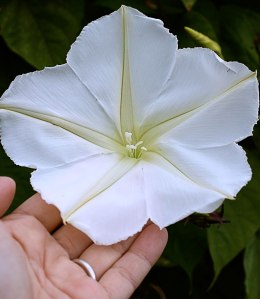
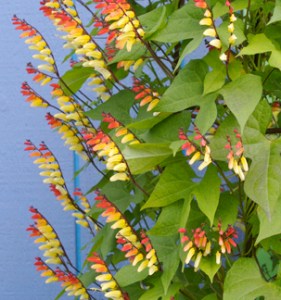

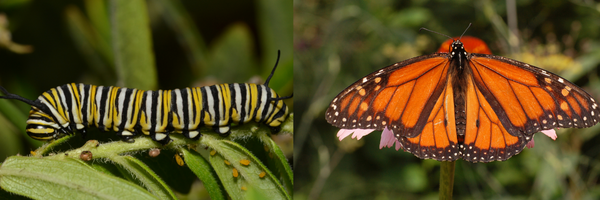


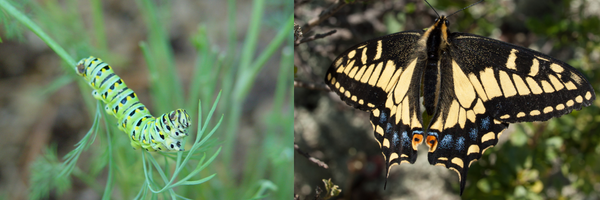


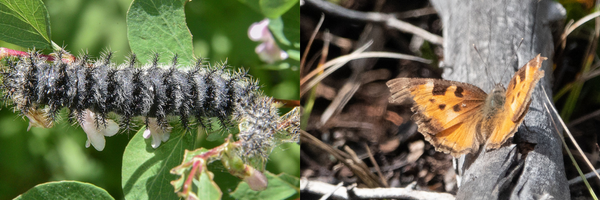
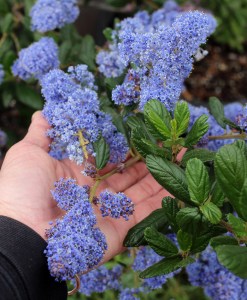
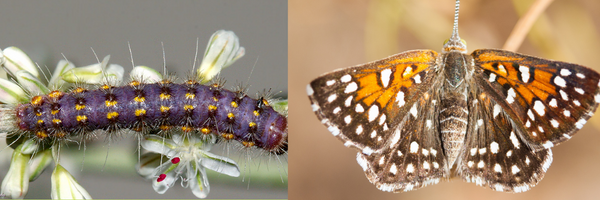

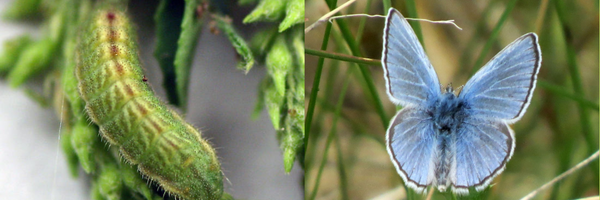


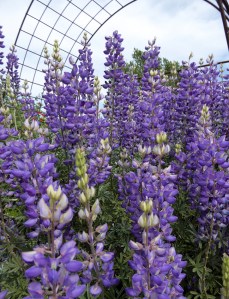

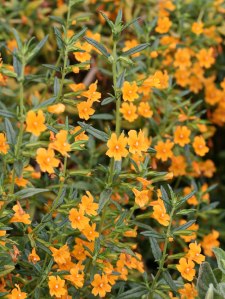
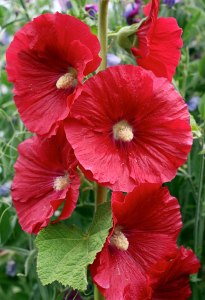


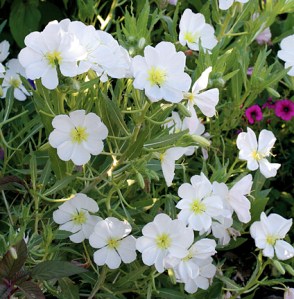


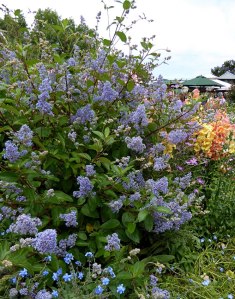
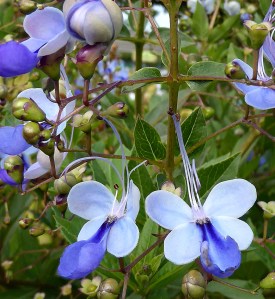


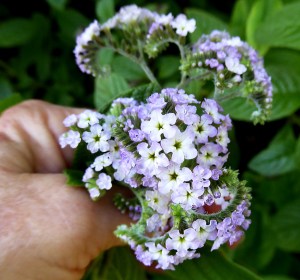
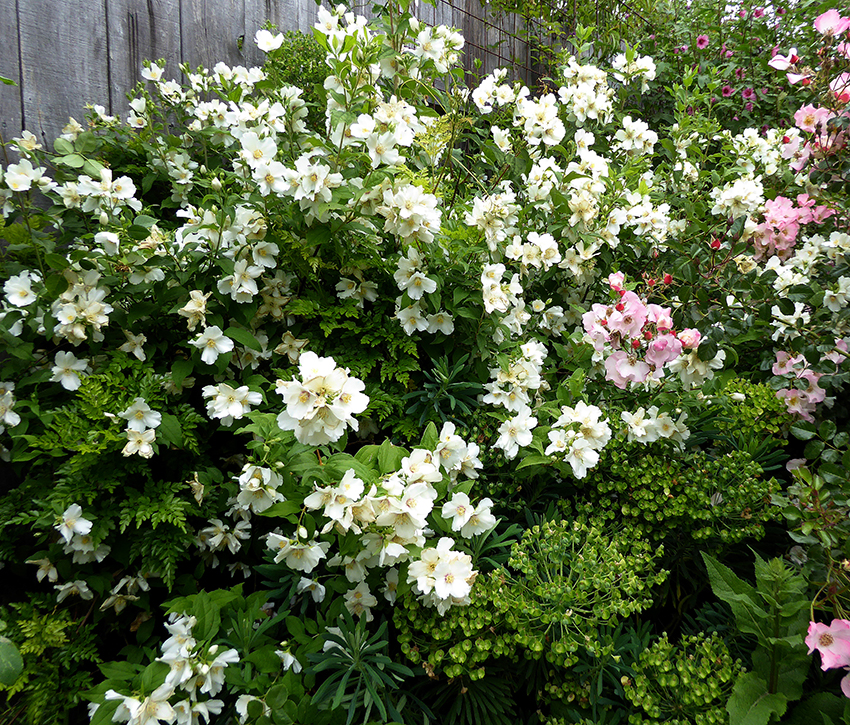
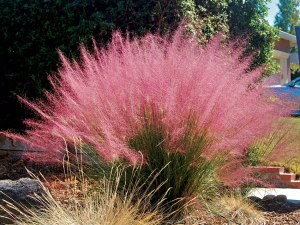


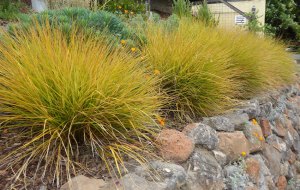

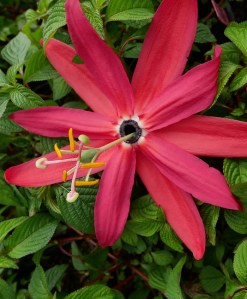


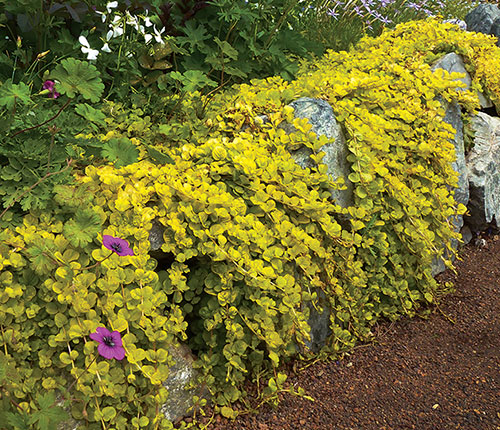


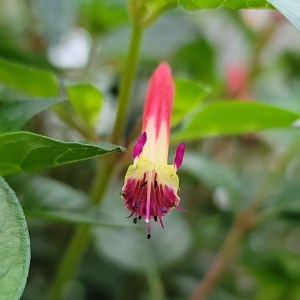


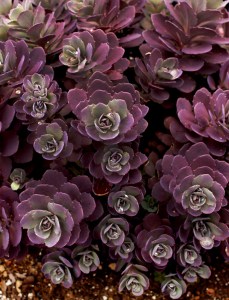
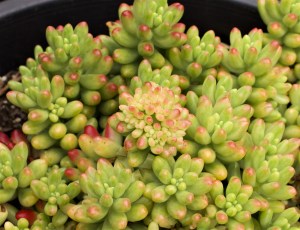
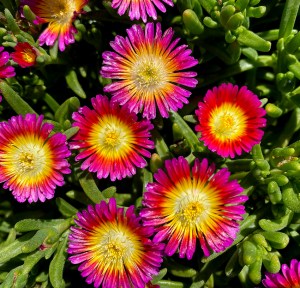


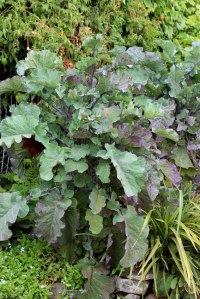
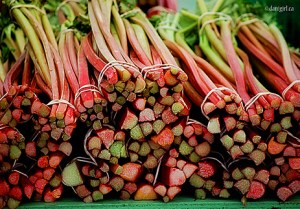


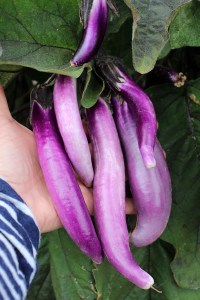

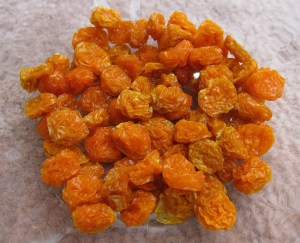
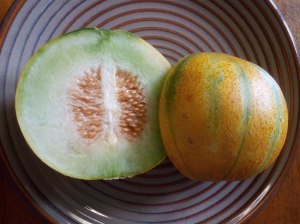
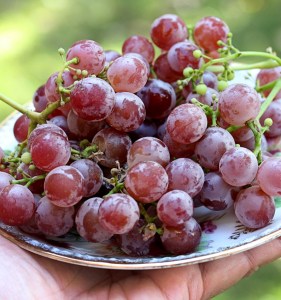

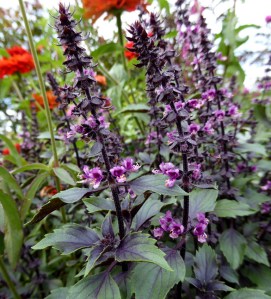
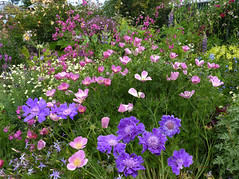

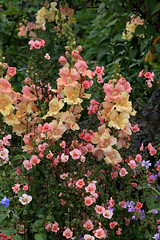

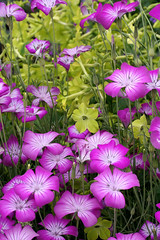

 blog.anniesannuals.com